
Clips — Spring Force Held Batch to Batch
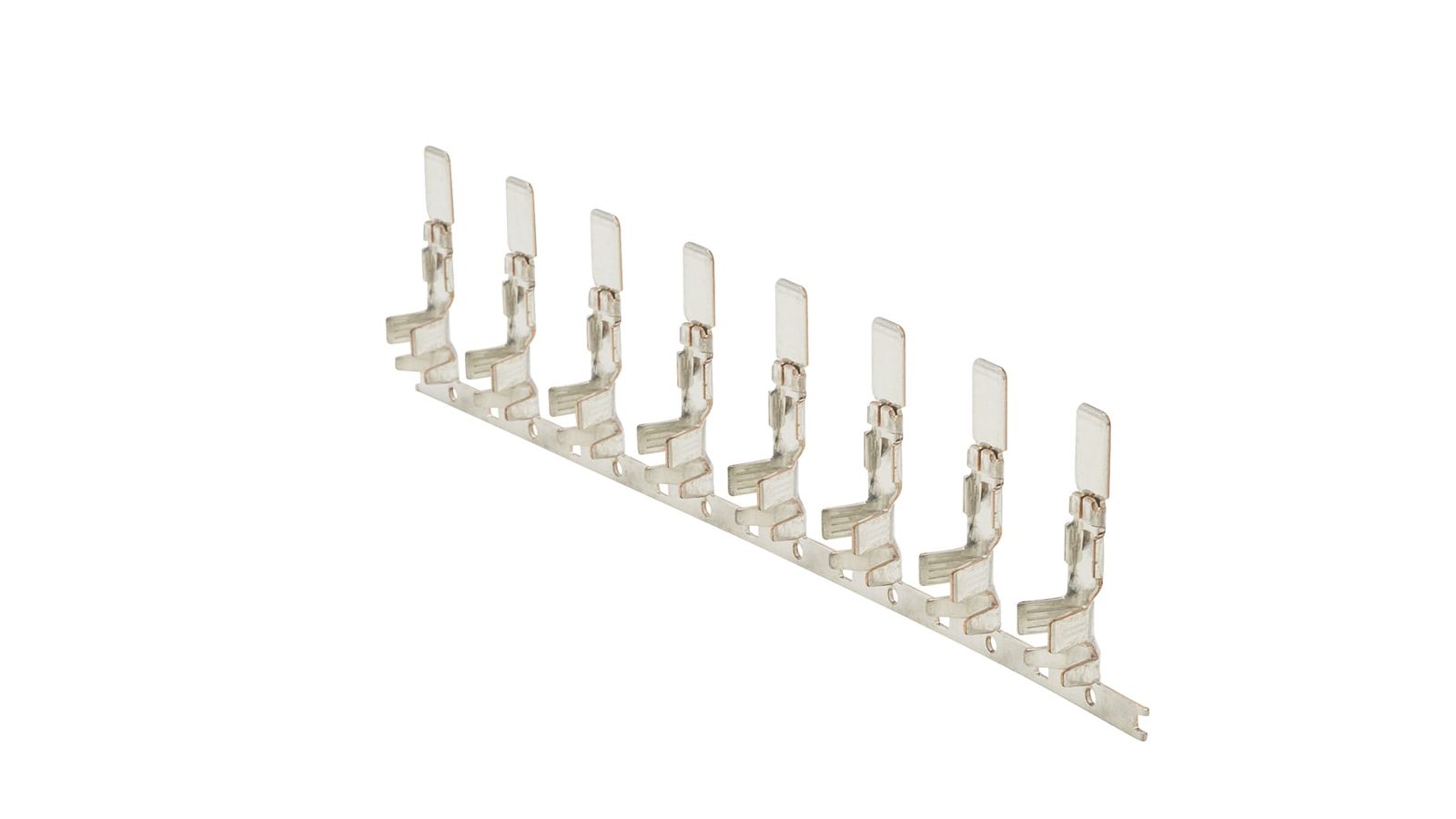
Metal clips are one-piece stamped parts that hold, retain, ground or conduct — spring clips, retaining clips, battery clips and contact clips formed from spring-temper strip on progressive dies, with no secondary bending operation to distort the temper.
NDA ProtectedFast Quote ResponseSTEP, IGES, X_T, DWG
Trusted Tier-1 & OEM Standards:
Performance
CLIP FORCE HELD BATCH TO BATCH
A clip that tests right at first article and goes soft in production is a die and material problem, not an inspection problem. Spring-temper strip is run at the temper called out on the drawing, bends are formed in-die with overbend compensation and coining rather than set by hand, and stress relief is controlled by process rather than by an extra anneal that would change the spring rate. Angular and dimensional features are verified with CMM and optical measurement, and the working load is confirmed against your drawing callout on first article and at requalification, so the force you validated is the force you receive.
Clip stamping is a spring-rate problem before it is a cutting problem. Strip temper, bend radius and the heat history of the part decide whether a clip delivers the same insertion and retention force on part one and on part one million. That is why we set the die around the working load on your drawing instead of around a nominal shape: overbend and coining are tuned so the formed leg lands inside its angular window, and strip layout is set to keep the part flat after it leaves the press.
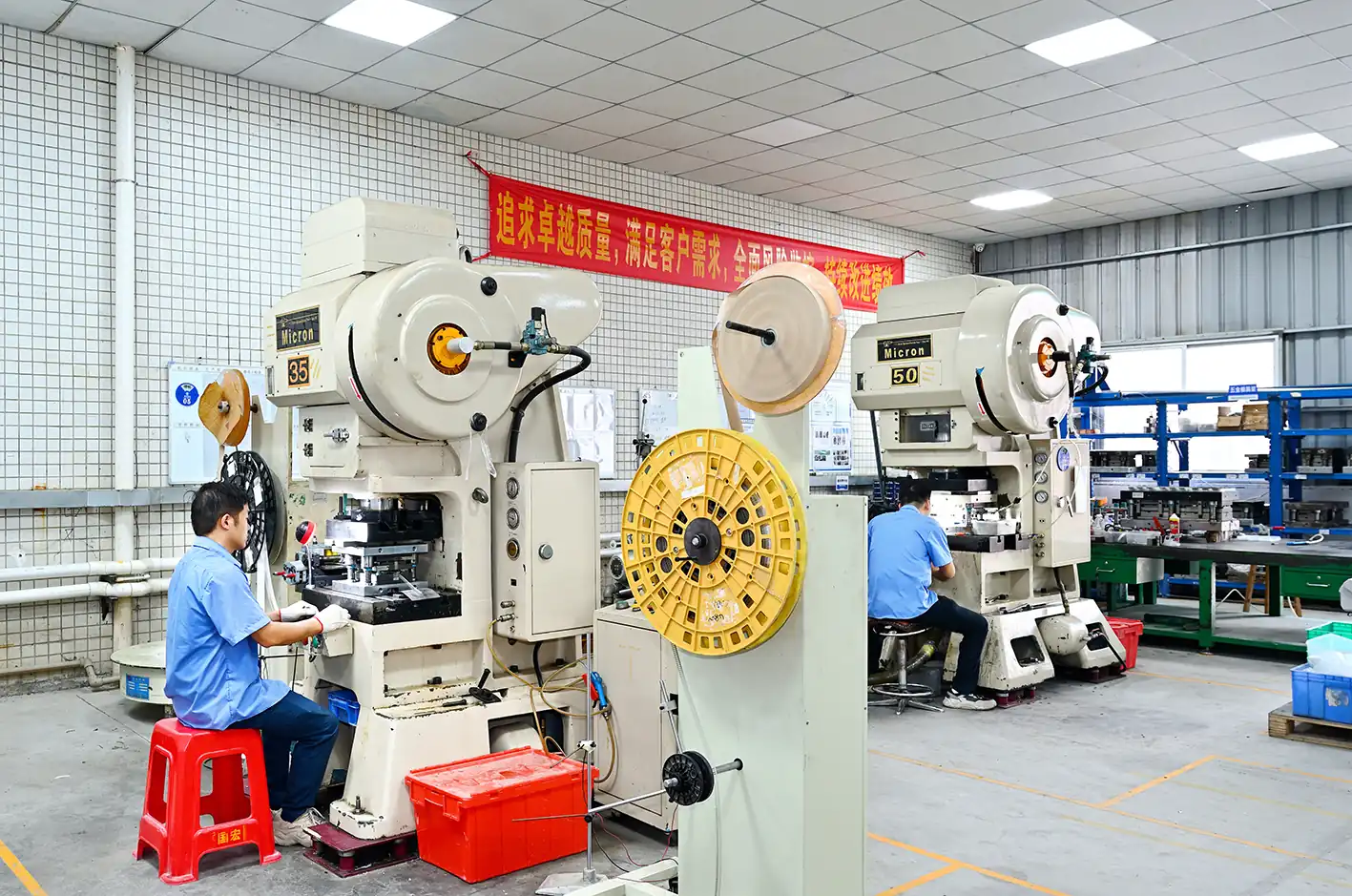
ISTAMPING stamps custom metal clips and metal spring clips from 0.05 to 3.0 mm strip — SUS301/304 stainless in spring temper, C5191/C5210 phosphor bronze, C17200 beryllium copper, brass and cold-rolled steel — holding ±0.005 mm positioning at up to 300 strokes per minute on 21 presses from 25 to 110 tons, under IATF 16949:2016.
Clip families we run include spring clips, flat spring clips, retaining clips, contact clips, battery clips, U-clips and C-clips, and EMI/RFI shield clips. Parts are delivered on reel for automated insertion or as loose pieces, with tin, nickel or selective gold plating on the contact faces managed through approved partner lines, and dimensional verification against your drawing on CMM and optical measurement before the lot ships.
Materials
Common Materials
- Stainless Steel SUS301 / 304 (spring temper)
- C5191 / C5210 Phosphor Bronze
- C17200 Beryllium Copper
- C26000 / C36000 Brass
- C1100 Copper
- Cold-rolled Steel
Specifications
Technical Specifications
Material thickness
0.05 – 3.0 mm
Positioning precision
±0.005 mm
Press capacity
25 – 110 tons (21 presses)
Production speed
Up to 300 SPM
Spring materials
SUS301/304, C5191/C5210, C17200
Plating
Tin / nickel; selective gold on contacts
Packaging
Reel-to-reel or loose pieces
Spec Matrix
Clip Types, Materials and Finishes
Which material a clip runs in is decided by the force it has to hold, the current it has to carry and the plating the mating surface accepts — we confirm all three in DFM review. Strip thickness stays inside our 0.05-3.0 mm envelope in every case.
| Clip type | Typical material | Strip thickness | Finish (managed) |
|---|---|---|---|
| Spring clip / flat spring clip | SUS301 spring temper | 0.10 - 0.80 mm | Passivated, or tin |
| Contact clip | C5191 / C5210 phosphor bronze | 0.10 - 0.60 mm | Tin, or selective gold |
| Battery clip | C17200 beryllium copper | 0.05 - 0.40 mm | Nickel, or selective gold |
| Retaining clip | C26000 brass | 0.20 - 1.00 mm | Tin / nickel |
| EMI/RFI shield clip | Tin-plated steel / nickel silver | 0.10 - 0.50 mm | Matte tin |
| Grounding clip | C1100 copper | 0.20 - 1.00 mm | Nickel / tin |
Product Range
Types of Clips We Produce
The form factors below are the ones we run most often on coil-fed progressive dies — tell us yours if it is not listed.
QUALITY ASSURANCE & INSPECTION
Rigorous Precision Inspection & Quality Control Standards
 Inspection Hardware
High-Precision Testing Equipment
- ZEISS CMM for complex 3D contours
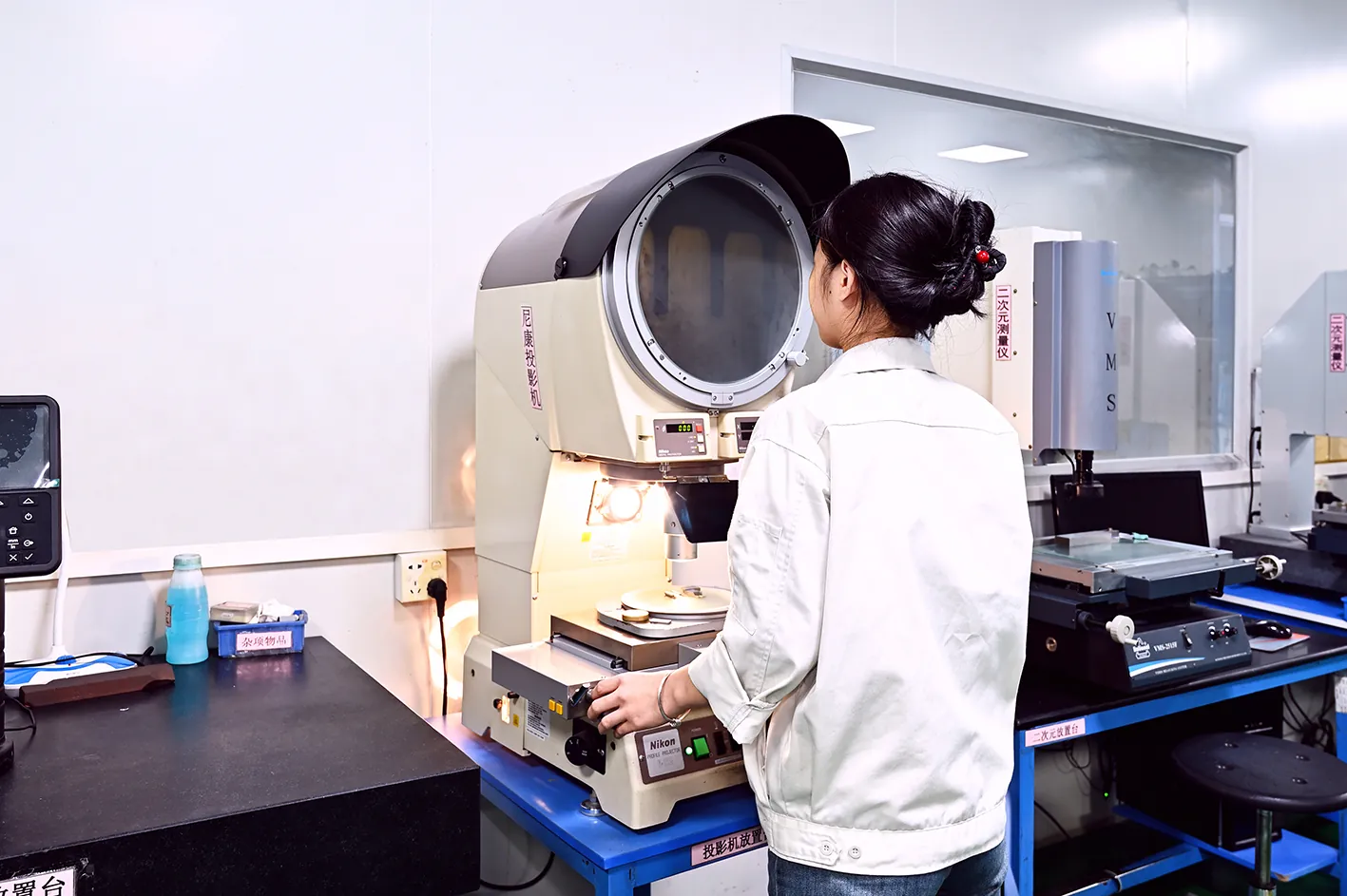
- Nikon optical projector & tool presetters (0.001 mm resolution)
- Vickers hardness testers & surface roughness gauge
 Quality Standards
Inspection Built Into Every Run
- 100% critical dimension inspection before packaging & shipment
- Concentricity & runout verification under optical magnifiers
- Surface micro-scratch & polish quality double-check
 Material Compliance
Full Material & Heat Treatment Traceability
- Spectrometer material composition analysis report provided
- Original Mill Test Certificate (MTC) & heat treatment logs
- RoHS & REACH environmental compliance statements
Talk to Our Engineers About Quality Documentation
Tell us what your project requires, and our team confirms which inspection and material documentation can be included with your quote.
Manufacturing Process
How We Manufacture Clips
From drawing review to delivered parts — die design, stamping and inspection records stay in-house, while plating runs through approved partner lines and is verified against the drawing lot by lot.
Drawing & Spring-Rate Review
We read the clip drawing for the working load, the deflection window and the mating part, then confirm temper, bend radius and leg length before quoting the die.
Progressive Die Tooling
Dies are designed and built in-house so the forming stations, overbend compensation and coining steps sit in one strip layout instead of being split across secondary operations.
High-Speed Stamping
Spring-temper strip is stamped with in-process monitoring at up to 300 SPM on 25 to 110 ton presses, holding ±0.005 mm positioning on piloted features.
Forming & Set Bends
Overbend and coining lock the angles that decide clip force; bend direction relative to strip rolling direction is fixed in the layout so every part springs back the same way.
Plating
Reel-to-reel tin or nickel plating, or selective gold on contact faces, runs through approved partner lines with thickness verified per lot against the drawing.
Inspection & Quality Control
Camera vision inspects every part in the strip; CMM and optical measurement verify critical dimensions and angles, with first-article and requalification reports under IATF 16949:2016.
Applications
Where Clips Are Used
Each card opens the industry page for that application — programs, materials and controls by sector.
Appliance
Appliance panels, doors and timer assemblies (spring clips, retaining clips) — Home appliance manufacturers require high-volume stamped components that balance cost, quality and reliability…
Lighting
Lighting fixtures & lamp holders (contact clips, lamp retention springs) — Lighting metal stamping for LED fixtures and drivers - phosphor bronze terminals, aluminum heat-dissipating brackets…
Automotive
Automotive interior, harness and trim retention — The automotive industry is our most demanding and most important market.
E-Mobility / Electric Vehicles
Battery packs & EV modules (battery contact clips, module retaining clips) — The electric vehicle revolution is redefining precision manufacturing.
Electronics
Electronics & PCB grounding (EMI/RFI shield clips, grounding fingers) — Consumer and industrial electronics require ever-smaller, ever-more-precise stamped components…
Structural Building Components
Door and building hardware (stainless spring clips) — Structural building components - from architectural brackets to framing connectors…
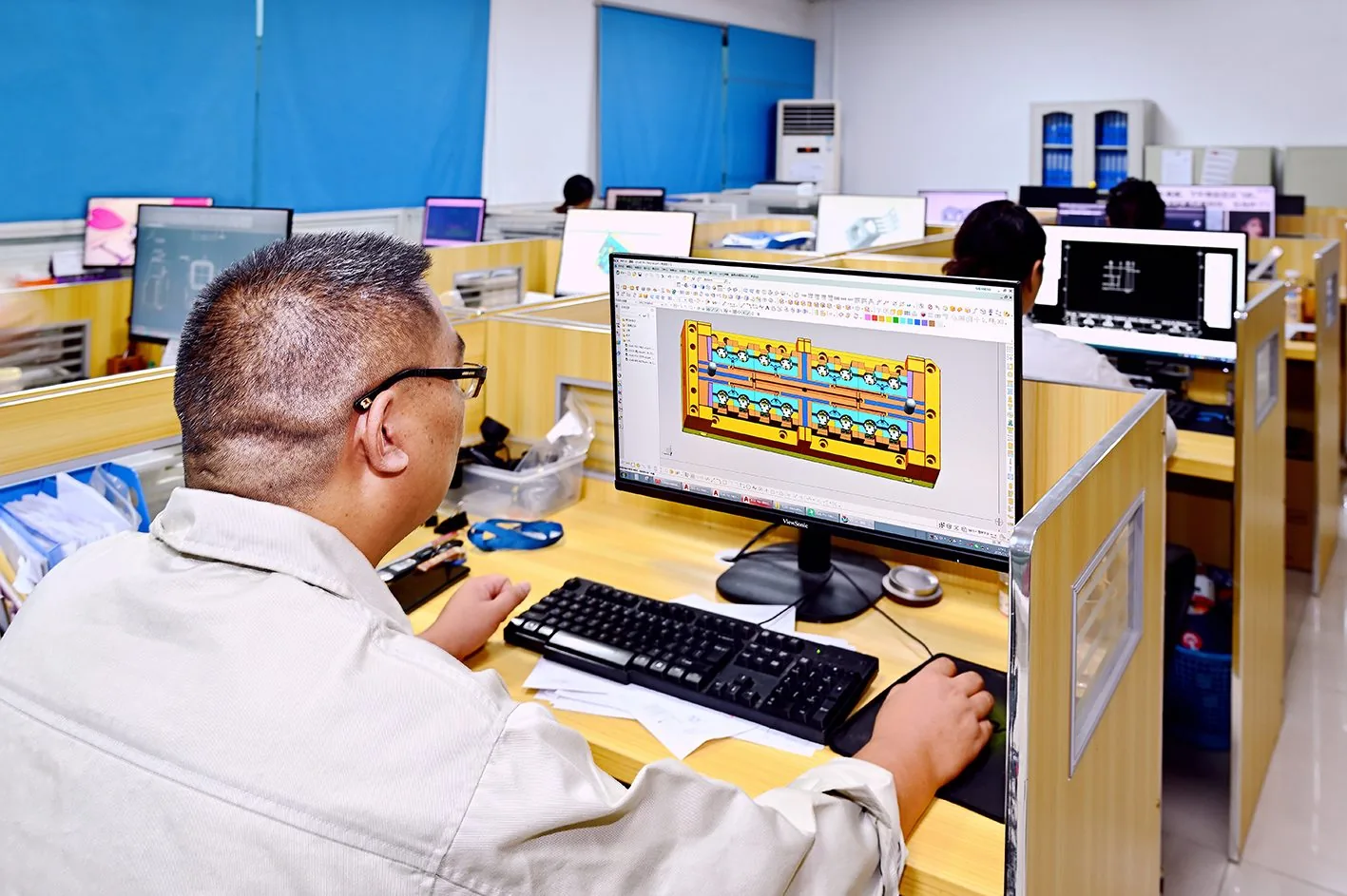
In-House Tool Room
Made in Our Own Tool Room
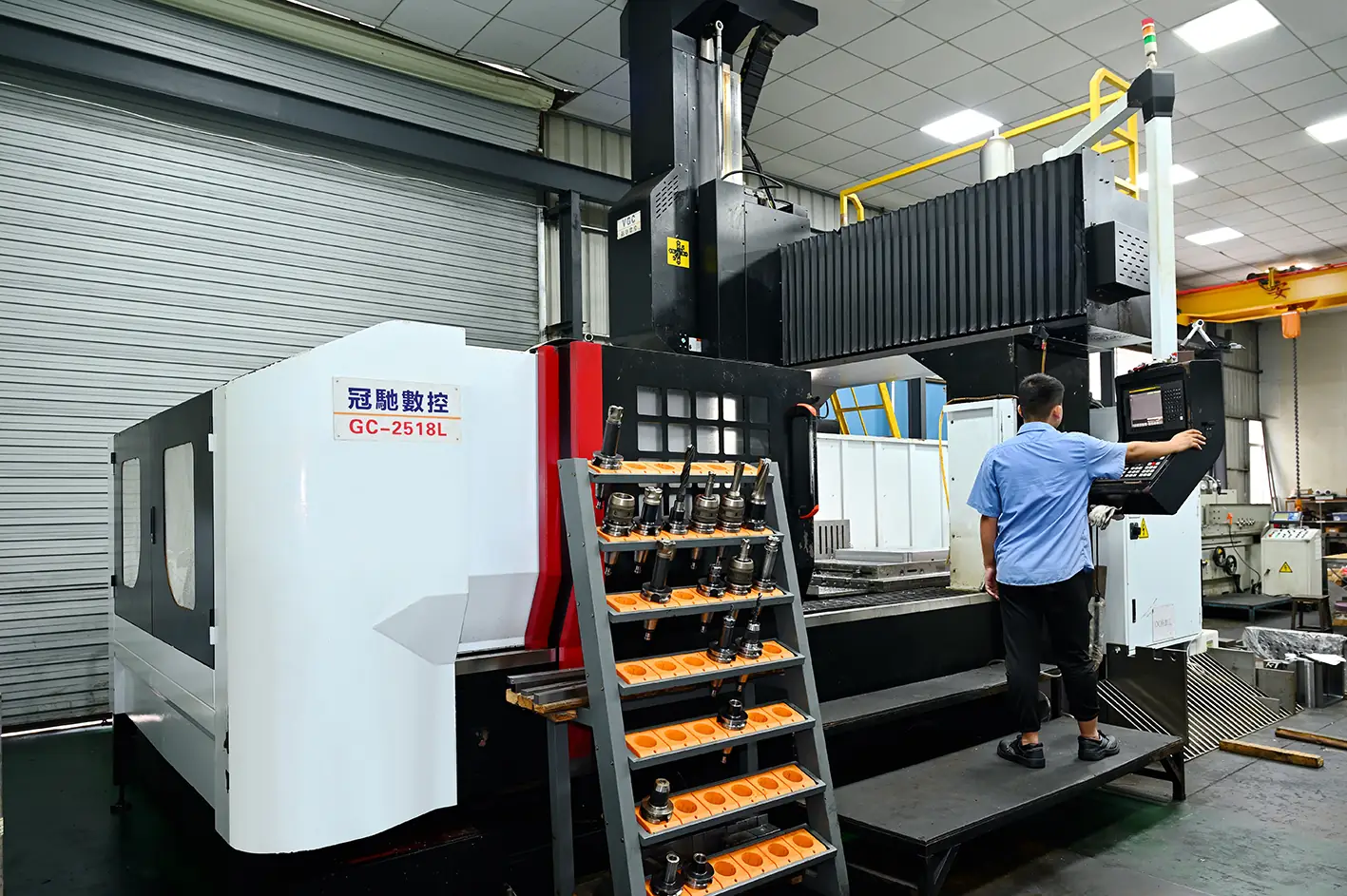
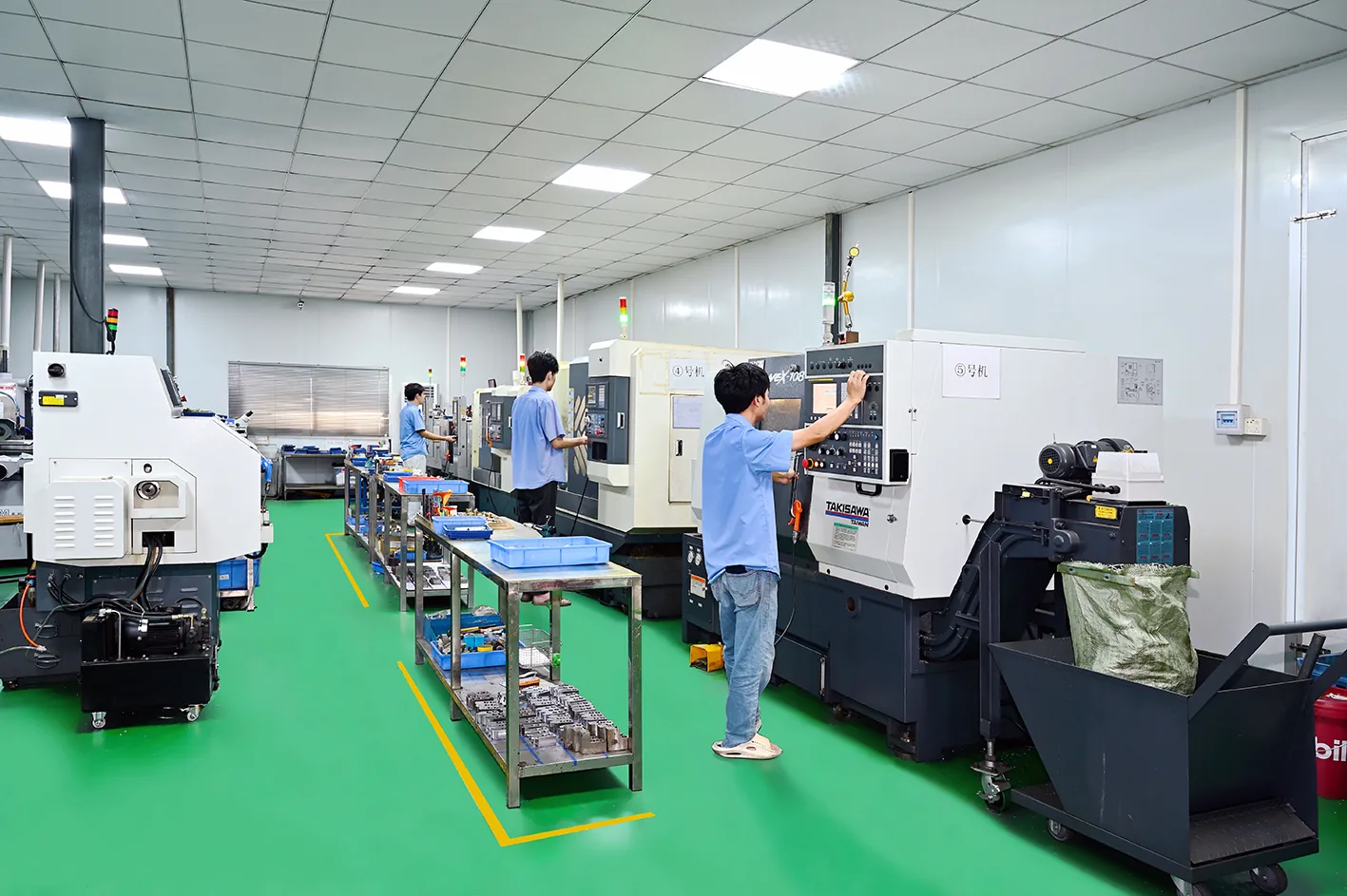
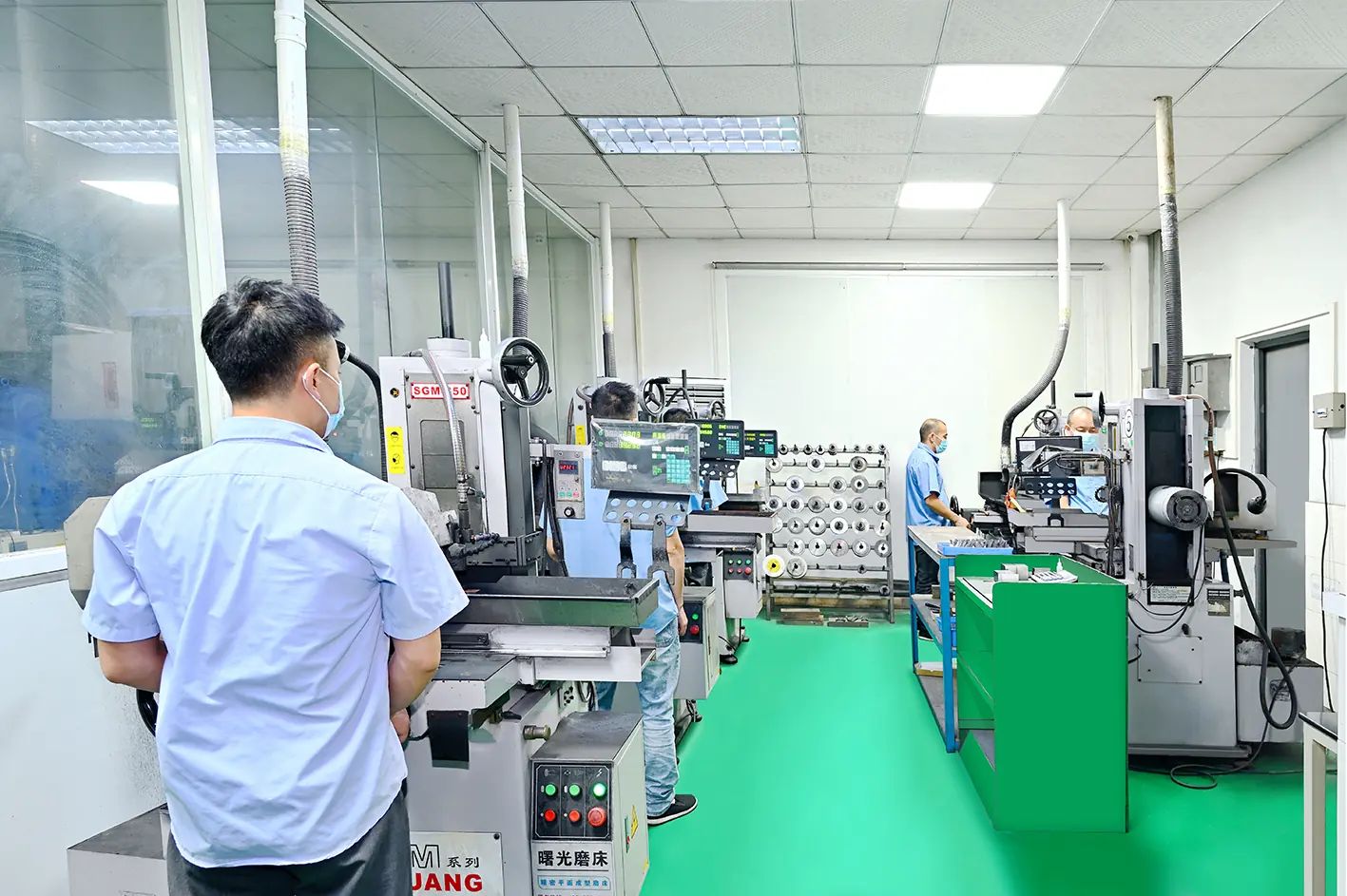
Every progressive die behind our stamped parts is 100% in-house stamping tooling — design, machining, assembly and T1 trial all under our roof. That is why tooling issues get solved on the shop floor in hours, not by email exchange with an outside die shop.
±0.001 mm Achieved
Combined machining accuracy down to ±0.001 mm, Ra0.05 µm surfaces and Ø0.05 mm micro end mills for tight die features.
30 In-House Machines
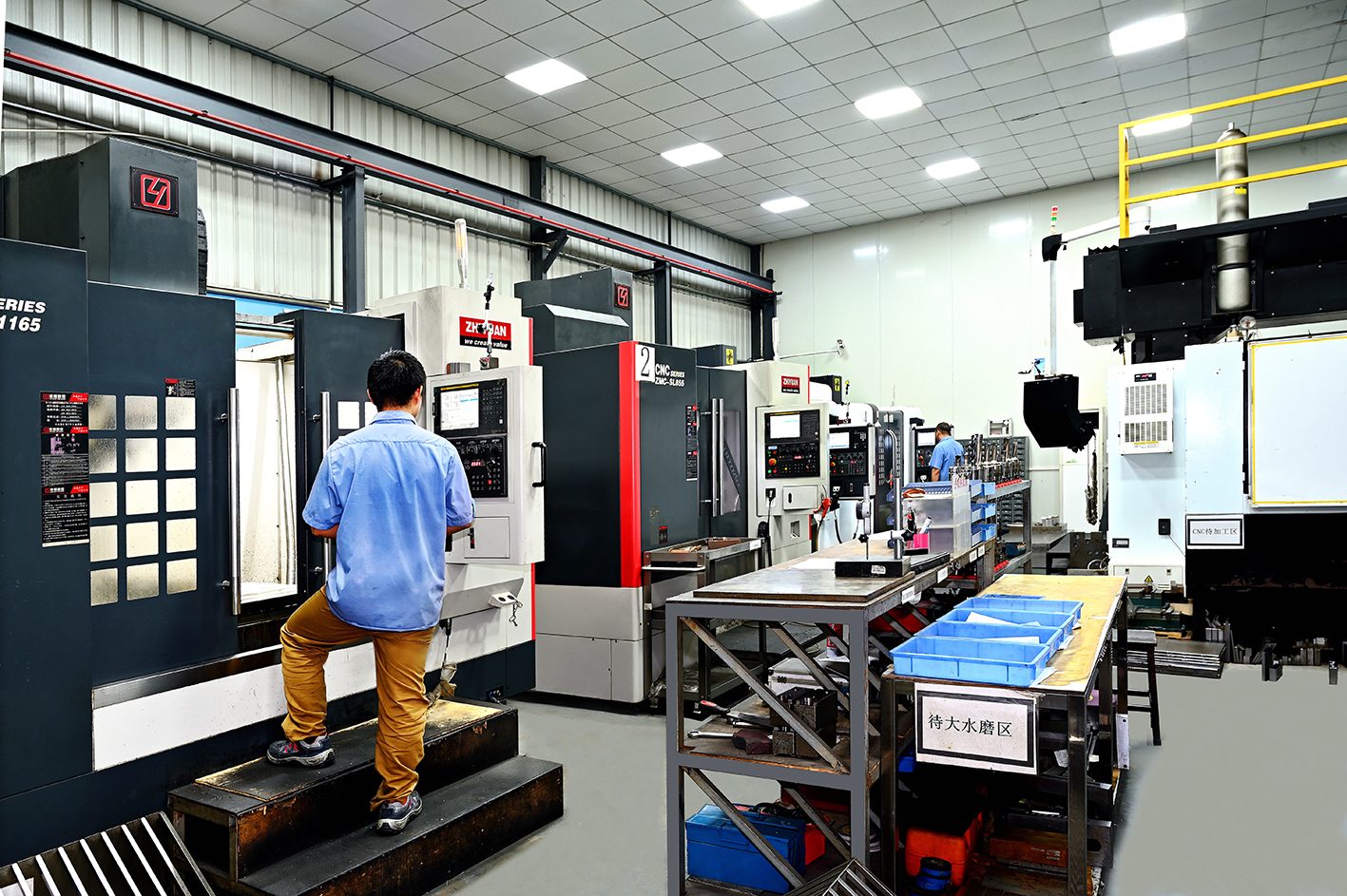
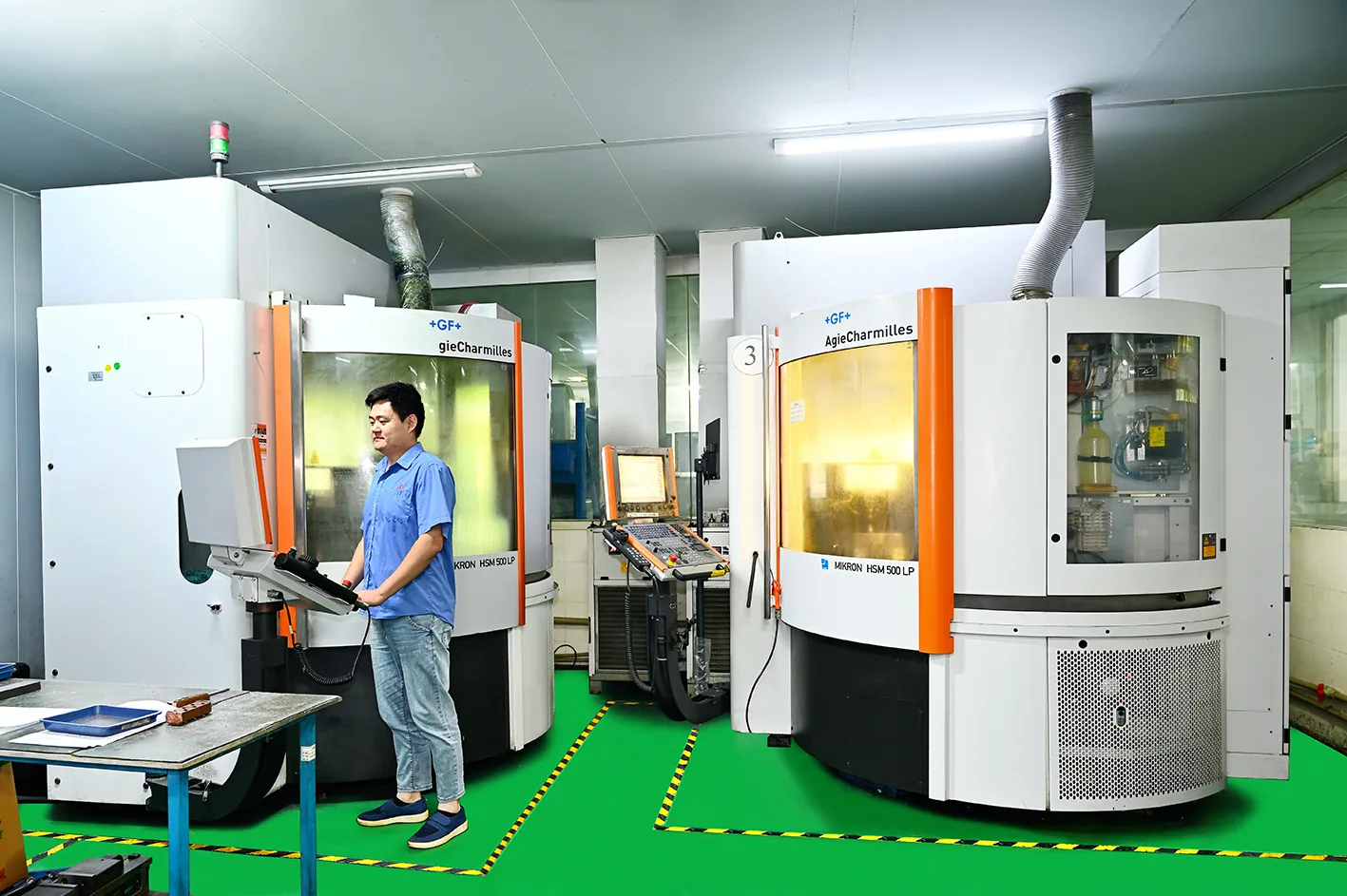
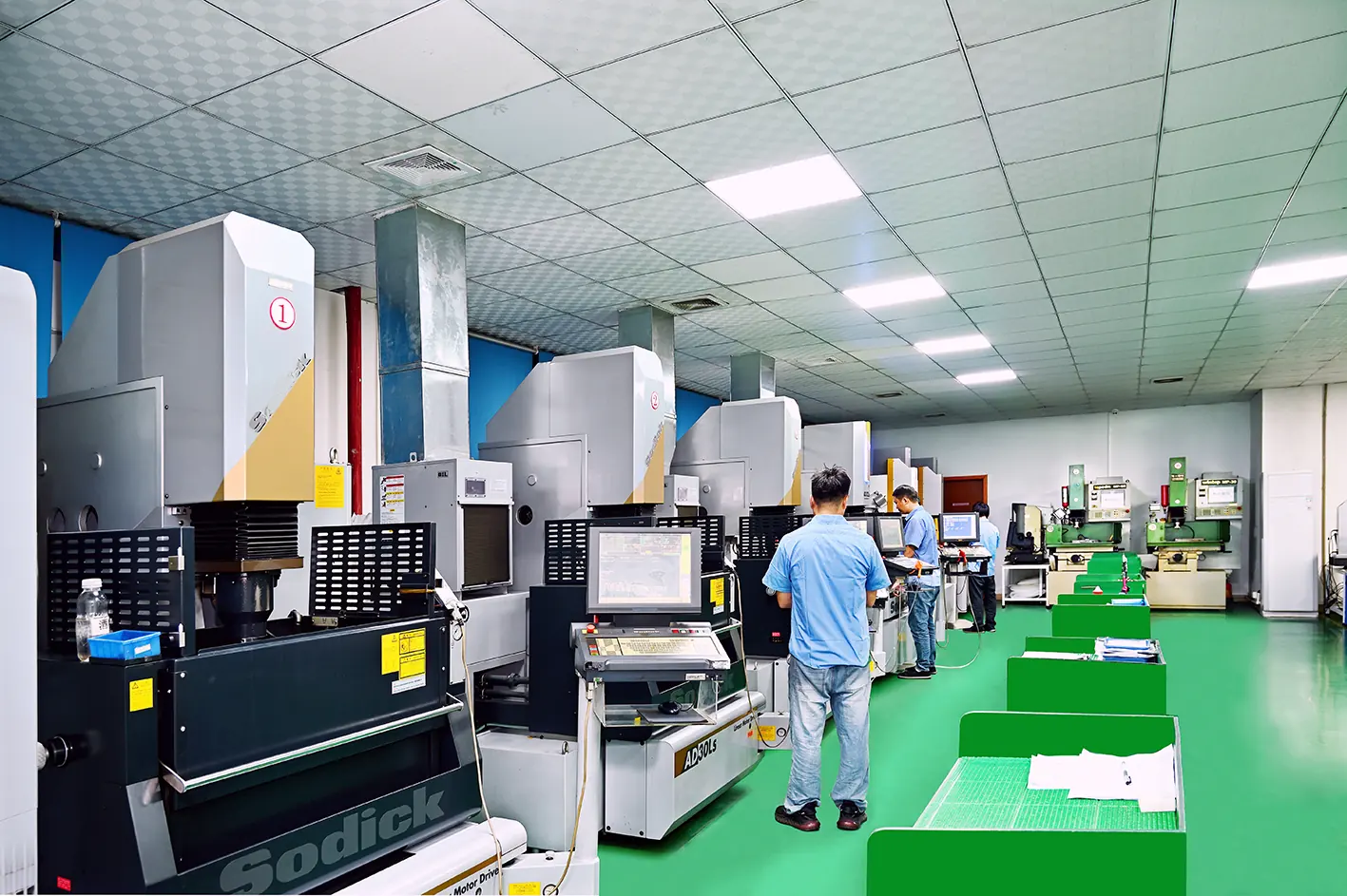
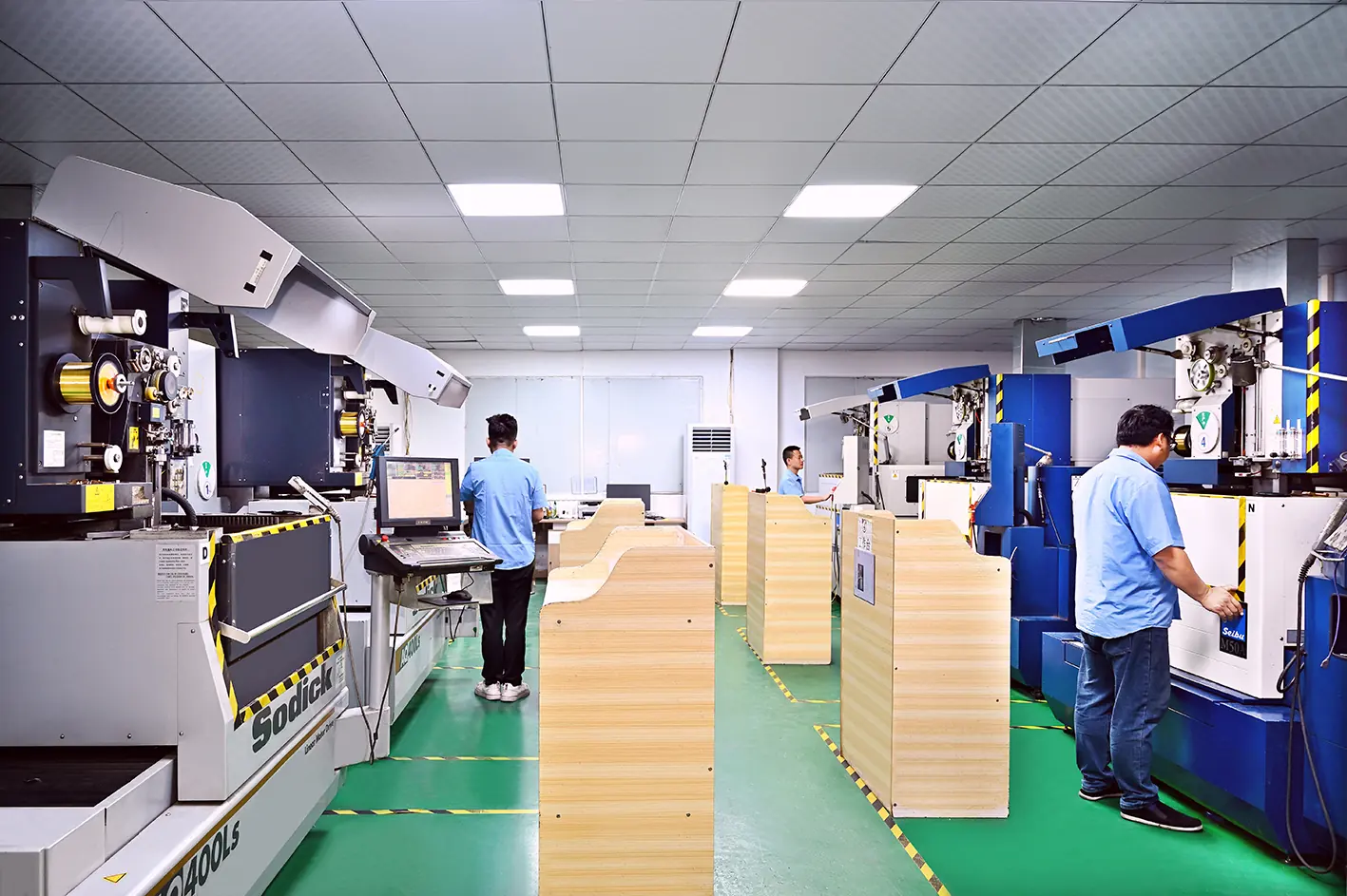
30 die-making machines — wire EDM, CNC and precision grinding — keep every die build and repair on our own schedule.
2–5 Weeks for Stamp Dies
Typical stamping die delivery in 2–5 weeks, with T1 trials run on our own presses before you commit to volume.
One Accountable Chain
Self-designed progressive dies, machined in-house, run at 60–300 SPM with CCD inline inspection — no outsourced-die handoff where quality falls between suppliers.
INSIDE THE PLANT
Inside Our Stamping Line
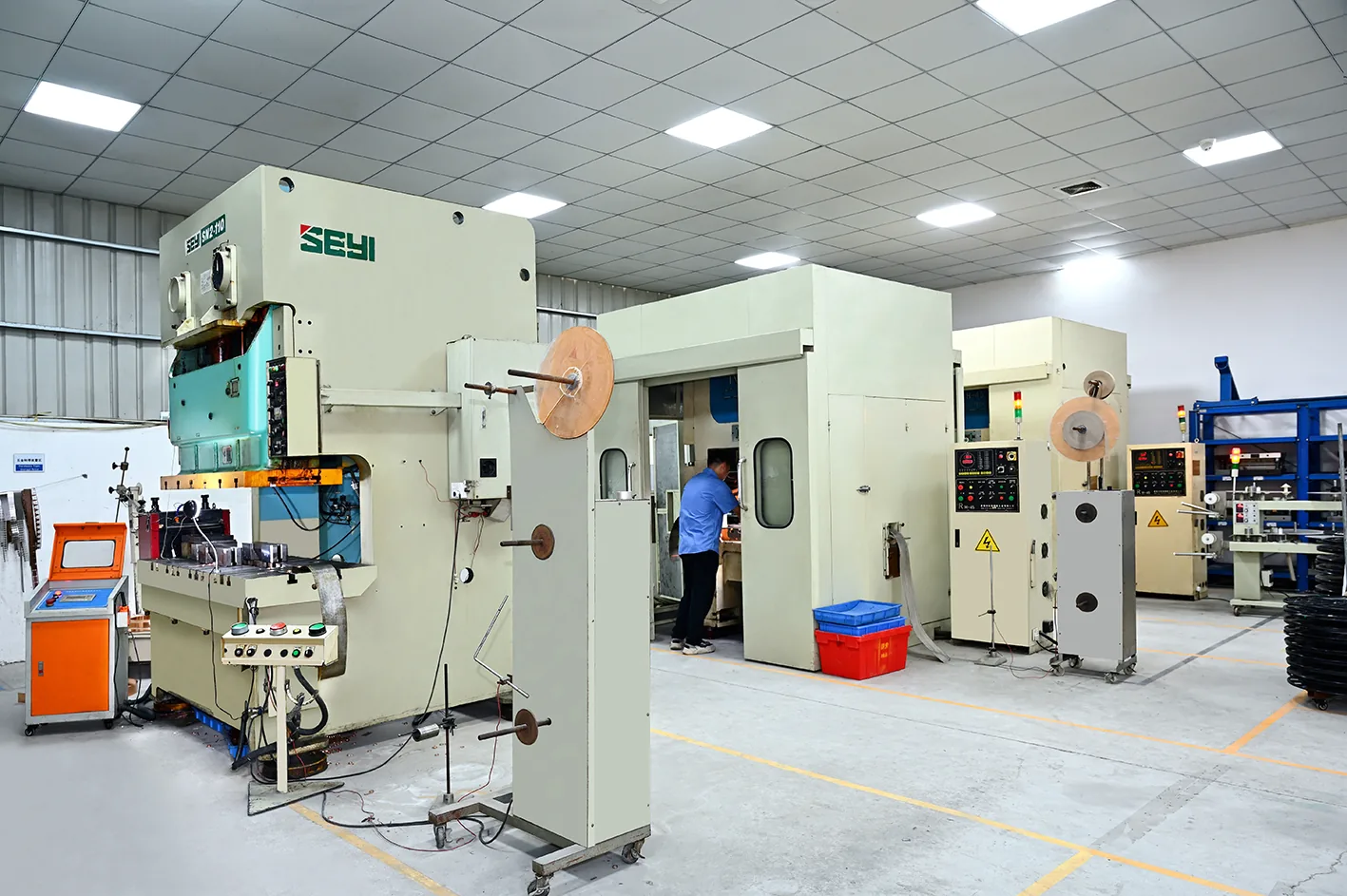
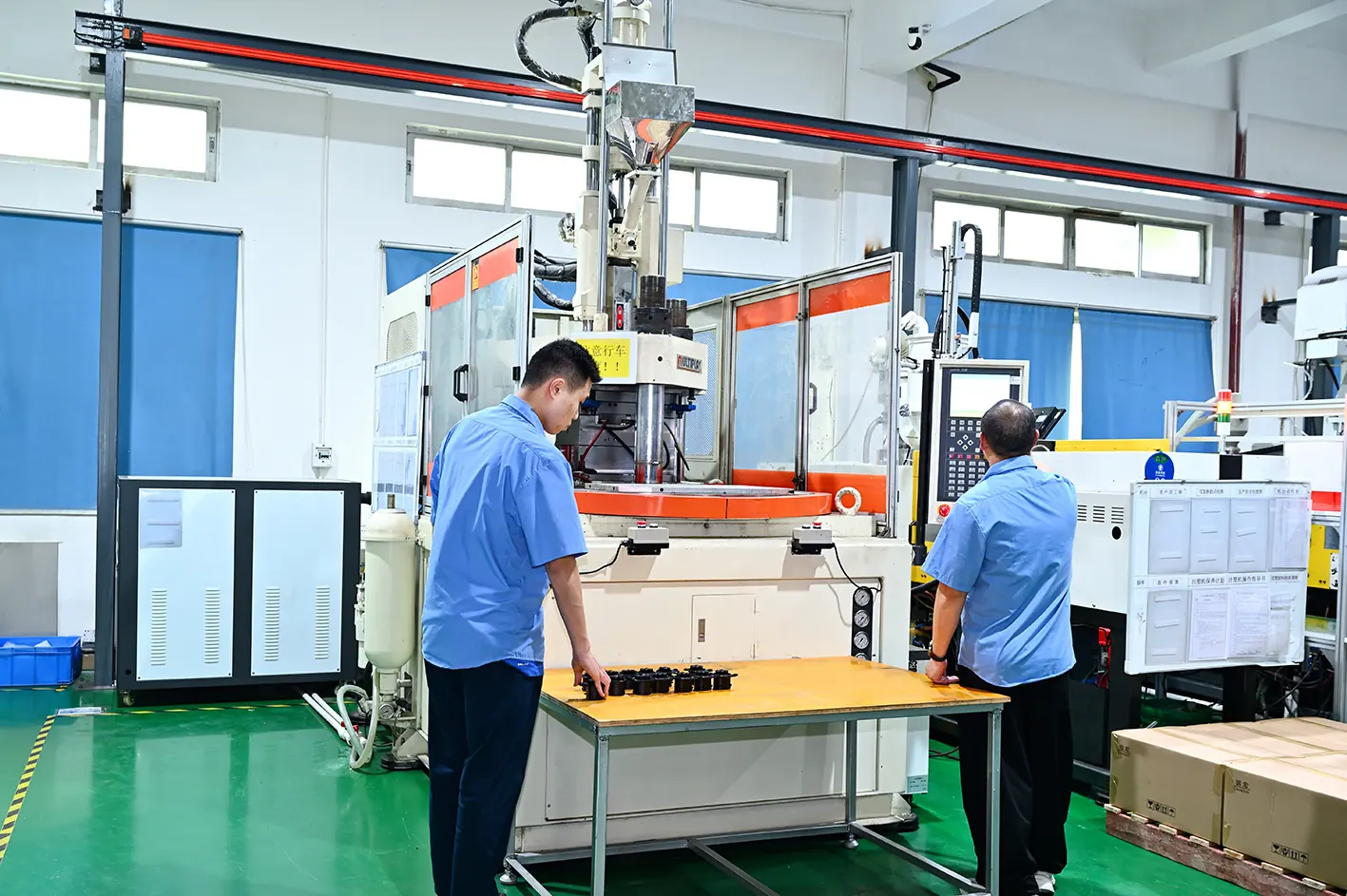
Real equipment and inspection floor from our Dongguan plant — 25–110T high-speed presses, in-house tool room, and a CMM lab running first-article inspection on every program.
Engineering Support
Design-for-Manufacturability Support
Our engineers review the clip at quoting stage — temper, bend radius against strip thickness, leg length for the mating part, burr direction on the contact face and strip layout for flatness — and tell you which features cost die money and which are free. Existing clip dies from another supplier can be taken over, refurbished and optimized for our high-speed presses.
ORDERING & FAQ
How to Order Clips & Frequently Asked Questions
From drawing to delivered parts: a four-step path with engineering review at the front and 100% dimensional inspection at the back — then the questions buyers ask us most.
Step 1
Submit CAD & Specs
Send 2D/3D drawings (STEP, DWG, PDF) with quantity, material, and tolerance requirements.
Step 2
DFM Feedback & Quotation
Our engineering team conducts DFM analysis and follows up with a competitive quote after the review.
Step 3
Precision Manufacturing
High-speed progressive die stamping, secondary forming, finishing, and surface treatment per your specifications.
Step 4
100% QC & Express Shipping
100% dimensional inspection, anti-corrosion packaging, and global express delivery.
What metal clips do you stamp?
Spring clips, metal spring clips, flat spring clips, retaining clips, contact clips, battery clips, U-clips and C-clips, grounding clips and EMI/RFI shield clips — from SUS301/304 spring-temper stainless, C5191/C5210 phosphor bronze, C17200 beryllium copper, brass and cold-rolled steel, 0.05 to 3.0 mm thick.
What is the difference between a spring clip and a contact clip?
A spring clip is designed to hold a part or panel by elastic force, so temper and deflection range are the critical callouts. A contact clip carries current or ground between two surfaces, so contact material, plating and contact resistance lead the drawing. Many parts do both, which is why we confirm the load and the plating section together before quoting.
How do you keep spring force consistent across a production run?
The die is set around the load on your drawing, not around a nominal shape: overbend and coining lock the formed angles, strip temper is purchased to your callout, and the bend direction relative to strip rolling direction is fixed in the layout. Working load is verified on first article and at requalification rather than left to the shape alone.
Do you stamp clips from spring-temper stainless?
Yes. SUS301 and SUS304 in spring temper are standard for our clip work, alongside phosphor bronze and beryllium copper where higher conductivity or fatigue life is needed. Tell us the temper designation on the drawing and we run to it.
Do you also make EMI/RFI shield clips?
Yes. Shield clips, grounding fingers and fingerstock-type contacts are stamped from beryllium copper, nickel silver and tin-plated steel. Board-level shielding parts and cans are covered on our shields page.
Can clips be supplied on reel for automated assembly?
Yes. Clips run reel-to-reel for automated insertion, or as loose pieces in trays or bags where your line picks them by hand. Packaging is agreed with the quote so it matches the equipment downstream.
How do you avoid burrs on the contact face?
The strip layout fixes which side of the part the burr lands on, so the contact face is kept on the punch side and burr height is controlled by die clearance and maintenance rather than by a deburring operation. Where a drawing calls out a burr limit, that limit goes into the die acceptance.
What are typical lead times for clip stamping?
Prototype clips can be produced within 2–3 weeks depending on the forming route; production timing follows die complexity and volume. Send the drawing, the material and the annual quantity and engineering confirms the schedule with the quote.
Ready to Upgrade Your Precision Stamping Partner?
Send us your drawing today — engineering runs a free DFM review and pricing follows the review.
100% Confidential | NDA Protected | Free DFM Assessment
NEXT PROGRAM
Spec Your Next Part Here
Sibling part families on the same presses, dies and quality system — one RFQ covers the mix.
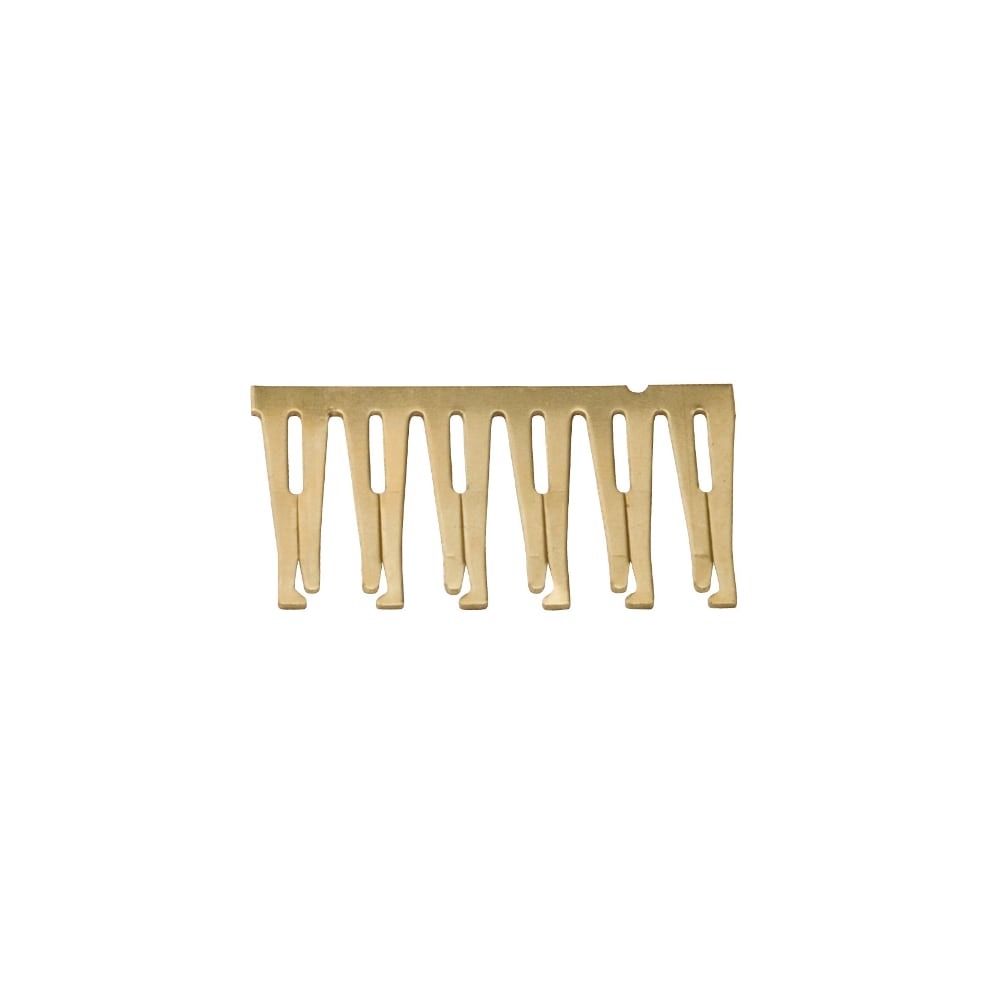
Terminals
Spec your terminals on ±0.005 mm dies with selective plating right on the contact faces.
View Details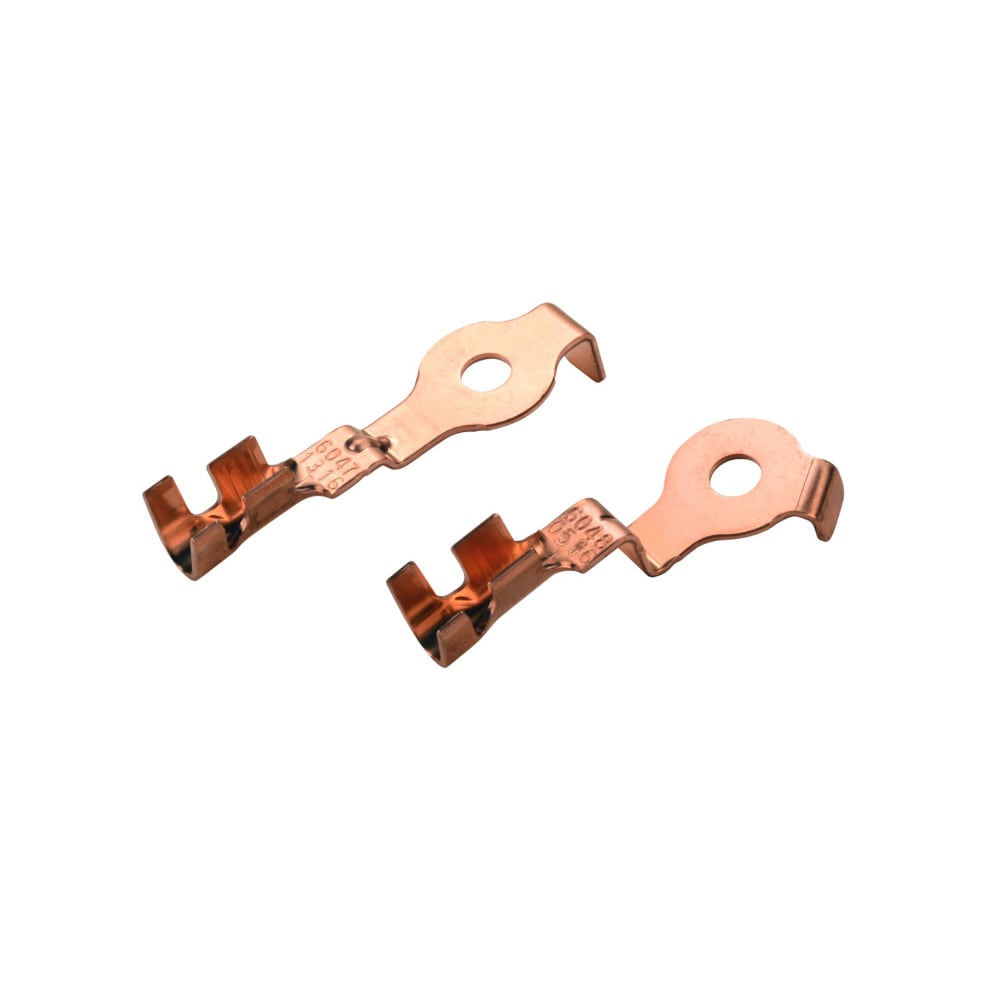
Wire & Cable Connectors
Hold crimp integrity with fine-pitch dies and plated contact faces, reel-packed.
View Details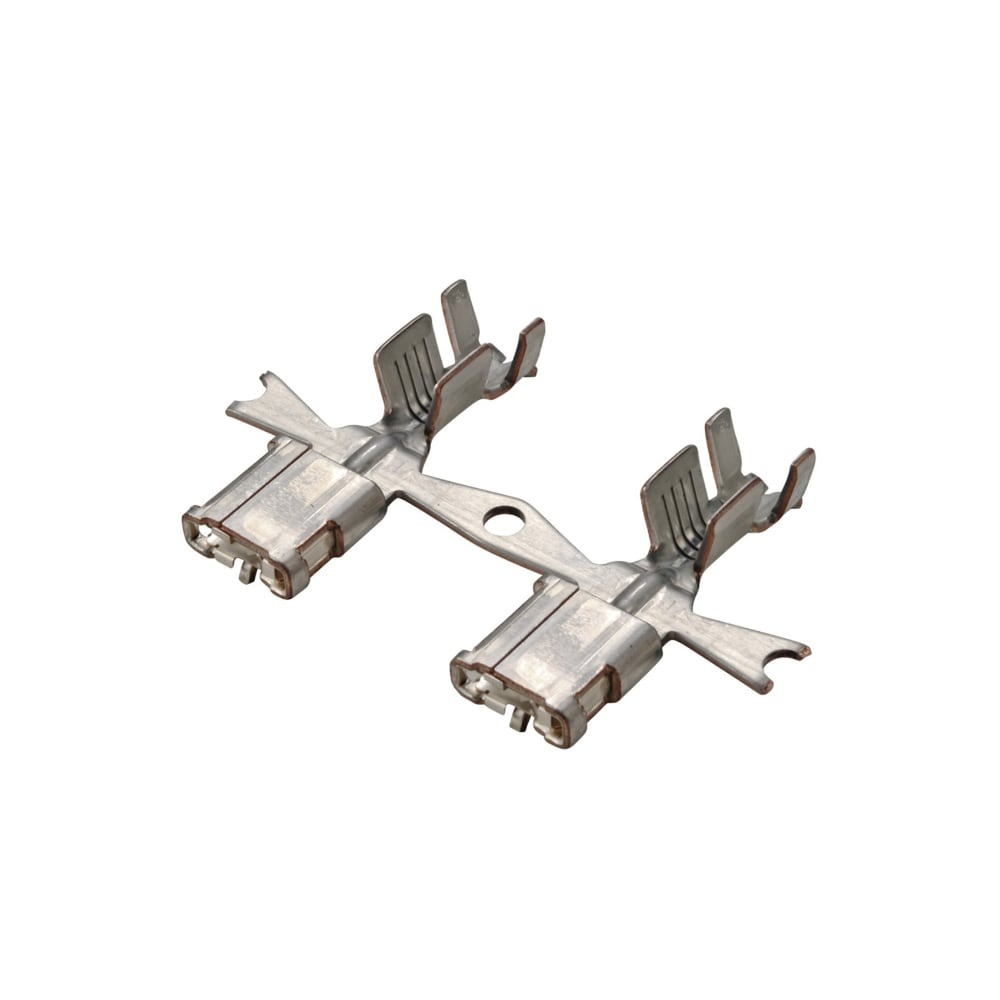
Assemblies
Consolidate stamping, plating and assembly under one PPAP and one accountable line.
View Details