
Thin-Gauge Lead Frames & Precision Stampings
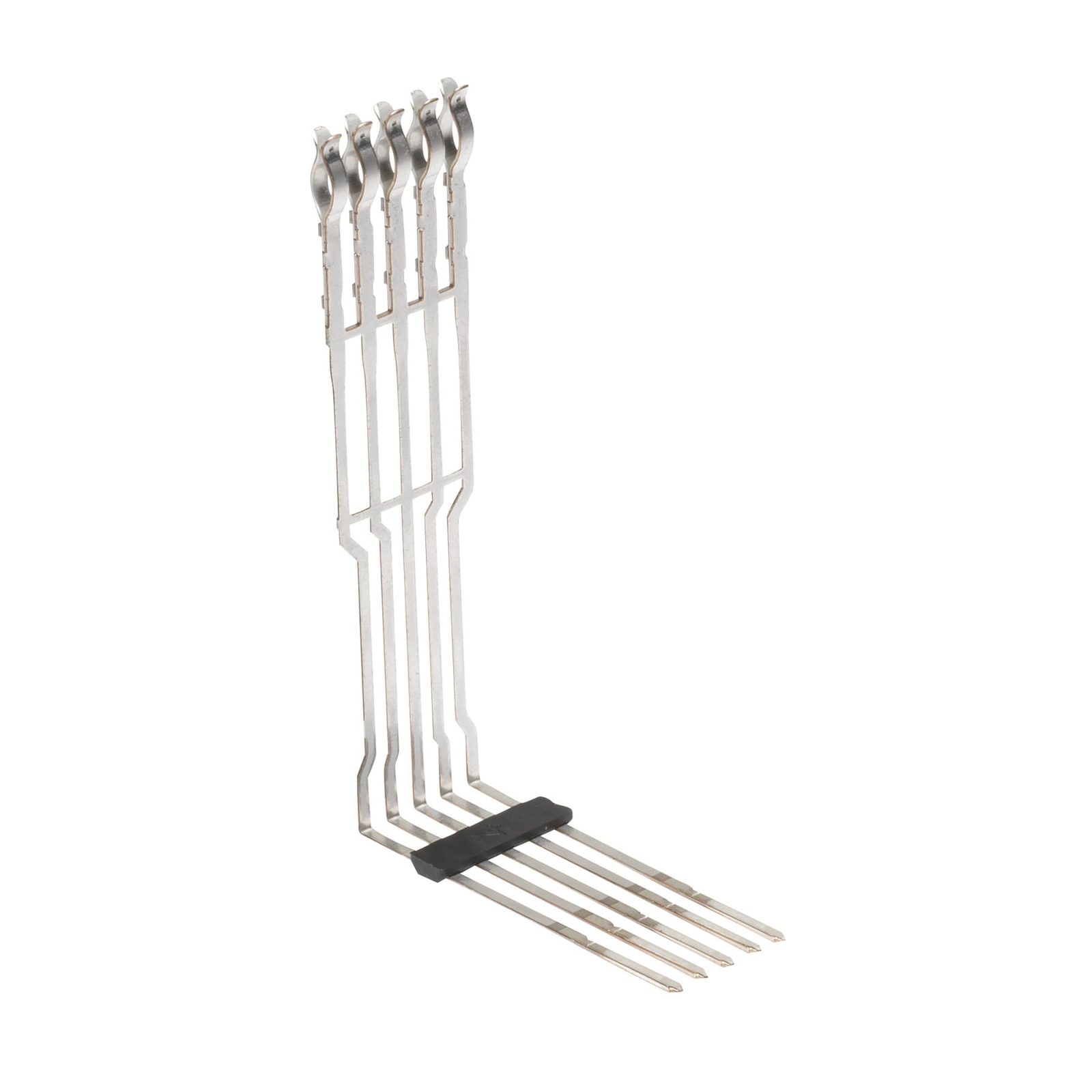
Yes — ISTAMPING stamps lead frames and precision contact parts in thin strip from 0.05 mm (0.002 in) up, holding ±0.005 mm positional tolerance on piloted features using high-speed progressive dies designed and built in our own tool room. A 0.003 in (0.076 mm) copper-alloy lead frame is inside our normal envelope, not a special project: we run phosphor bronze, beryllium copper, brass, SUS301 stainless and C1100 copper at up to 300 strokes per minute, deliver on reels for automated downstream assembly, and ship every program with first-article inspection against the drawing, SPC records on critical features and PPAP documentation under IATF 16949:2016.
Performance
PRECISION WHERE THIN GAUGE IS UNFORGIVING
In thin-gauge work the tolerance band and the burr band are the same band. Our tool room sets punch-to-die clearance per alloy, protects small punches with progressive pilot lockdown, and verifies punch wear by stroke count before edges degrade. In-line vision watches every stroke at press speed; the quality lab backs it with CMM and optical measurement. The result is a lead frame or contact array where feature-to-feature position comes from the die itself, part after part, across millions of strokes.
Thin gauge changes the physics of stamping. At 0.05-0.10 mm strip, punch buckling, burr ratio and springback dominate the cost curve: die clearances drop to 4-8 percent of material thickness, pilot registration has to hold pitch within a few thousandths at 300 strokes per minute, and the strip layout decides whether the part comes out flat or curled. That is why the die, not the press nameplate, is what you are really buying.
ISTAMPING runs twenty presses (25-80 ton, up to 300 SPM) with automated coil feeding on copper alloys, phosphor bronze, brass and stainless strip from 0.05 mm to 3.0 mm. Lead frames, terminal strips, contact arrays and EMI components are typical parts. Every program ships with first-article inspection against the drawing, SPC on critical features and PPAP documentation on request, under IATF 16949:2016.
Materials
Common Materials
- C5191 / C5210 Phosphor Bronze
- C17200 Beryllium Copper
- C26000 Brass Strip
- Stainless SUS301 Thin Gauge
- C1100 ETP Copper
- Nickel Silver
Specifications
Technical Specifications
Min strip thickness
0.05 mm (0.002 in)
Positioning precision
±0.005 mm
Press speed
Up to 300 SPM
Production volume
100,000 – millions of pieces
Delivery form
Reel / loose pieces
Quality documents
FAI, SPC, PPAP, MTC
Product Range
Types of Thin-Gauge Lead Frames & Precision Stampings We Produce
QUALITY ASSURANCE & INSPECTION
Rigorous Precision Inspection & Quality Control Standards
 Inspection Hardware
High-Precision Testing Equipment
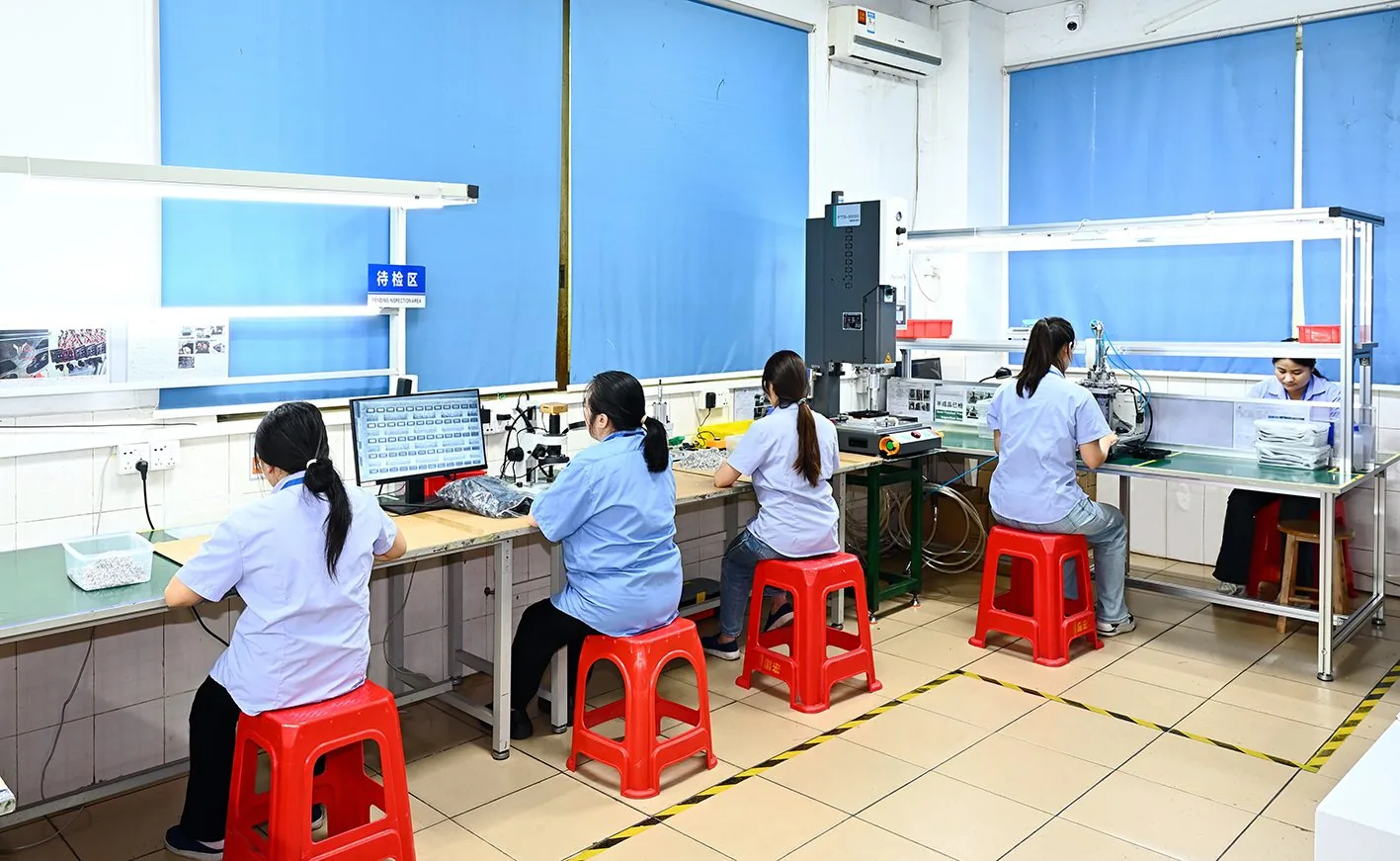
- ZEISS CMM for complex 3D contours
- Nikon optical projector & tool presetters (0.001 mm resolution)
- Vickers hardness testers & surface roughness gauge
 Quality Standards
Inspection Built Into Every Run
- 100% critical dimension inspection before packaging & shipment
- Concentricity & runout verification under optical magnifiers
- Surface micro-scratch & polish quality double-check
 Material Compliance
Full Material & Heat Treatment Traceability
- Spectrometer material composition analysis report provided
- Original Mill Test Certificate (MTC) & heat treatment logs
- RoHS & REACH environmental compliance statements
Talk to Our Engineers About Quality Documentation
Tell us what your project requires, and our team confirms which inspection and material documentation can be included with your quote.
Manufacturing Process
How We Manufacture Thin-Gauge Lead Frames & Precision Stampings
DFM & Feasibility Review
We check minimum feature size, hole-to-edge distance and bend radius against your strip thickness before quoting — most thin-gauge failures are specified into the drawing.
Progressive Die Design
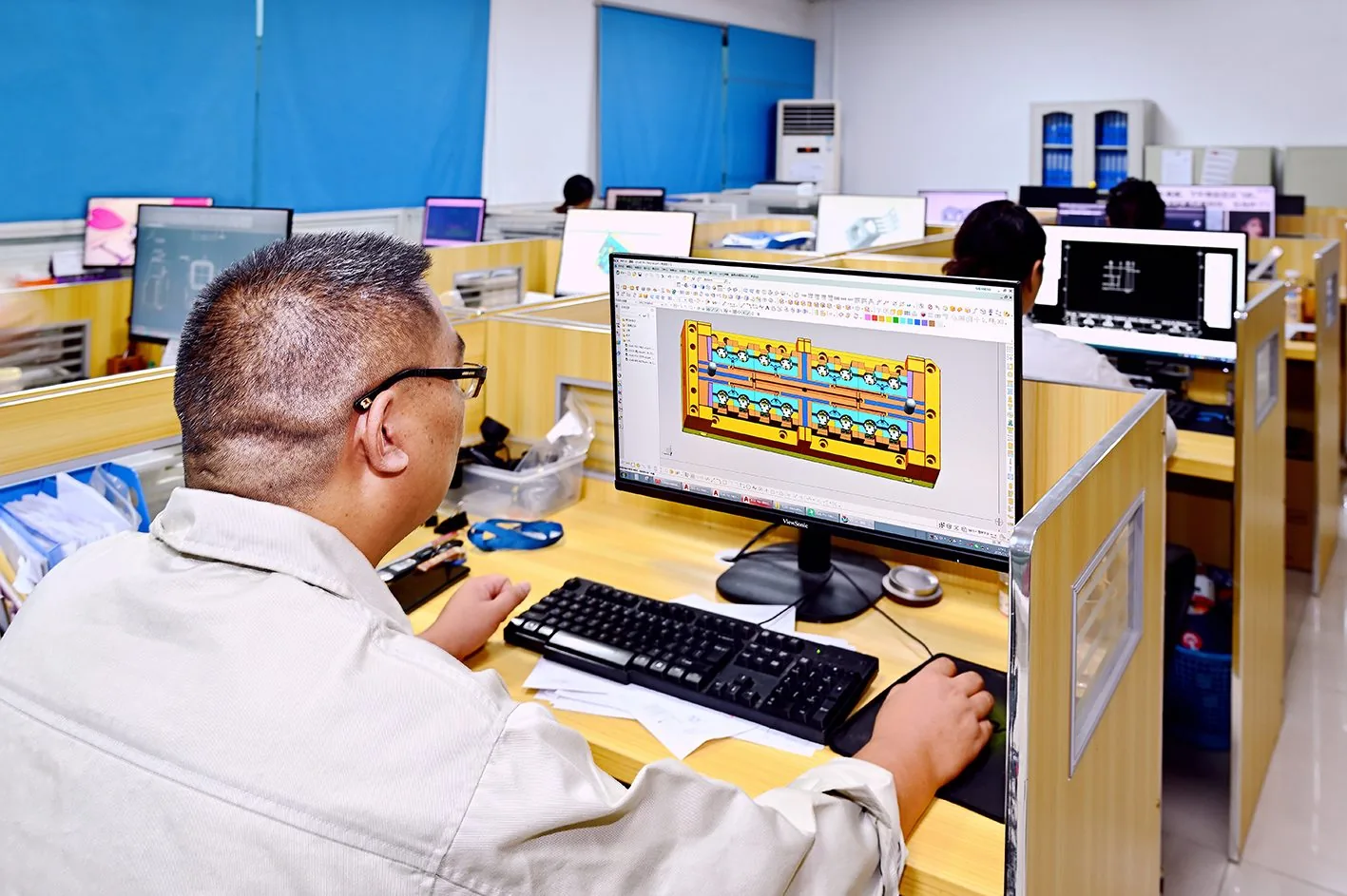
3D CAD die design with strip-layout and piloting simulation; punch clearance set per alloy, thin-web deflection modeled before steel is cut.
In-House Die Build
Wire EDM, CNC machining and optical profile grinding hold die components to ±0.005 mm; try-out on our own presses with first-article inspection.
High-Speed Stamping
Coil-fed production at up to 300 SPM with 100% dimensional inspection and die protection; pitch and frame geometry stay locked by the pilots, not by handling.
Managed Plating
Reel-to-reel selective gold, tin or nickel plating through approved partner lines under our quality plan, with thickness verified per lot.
Inspection & Documentation
FAI against the drawing, SPC on critical features, lot traceability back to the coil; PPAP packages for automotive and medical programs.
Applications
Where Thin-Gauge Lead Frames & Precision Stampings Are Used
Electronics
Semiconductor and discrete-device packaging lead frames — Consumer and industrial electronics require ever-smaller, ever-more-precise stamped components - from fine-pitch lead…
Electrical
Transformer, inductor and relay contact assemblies — Electrical metal stamping for power distribution - copper and aluminum busbars, silver and nickel plated contacts,…
Connector terminals stamped from thin phosphor bronze
Automotive
Sensor lead frames and micro contacts for automotive and medical electronics — The automotive industry is our most demanding and most important market. IATF 16949-certified production, PPAP…
Electronics
Thin-gauge shims, spacers and gasket stampings — Consumer and industrial electronics require ever-smaller, ever-more-precise stamped components - from fine-pitch lead…
In-House Tool Room
Made in Our Own Tool Room
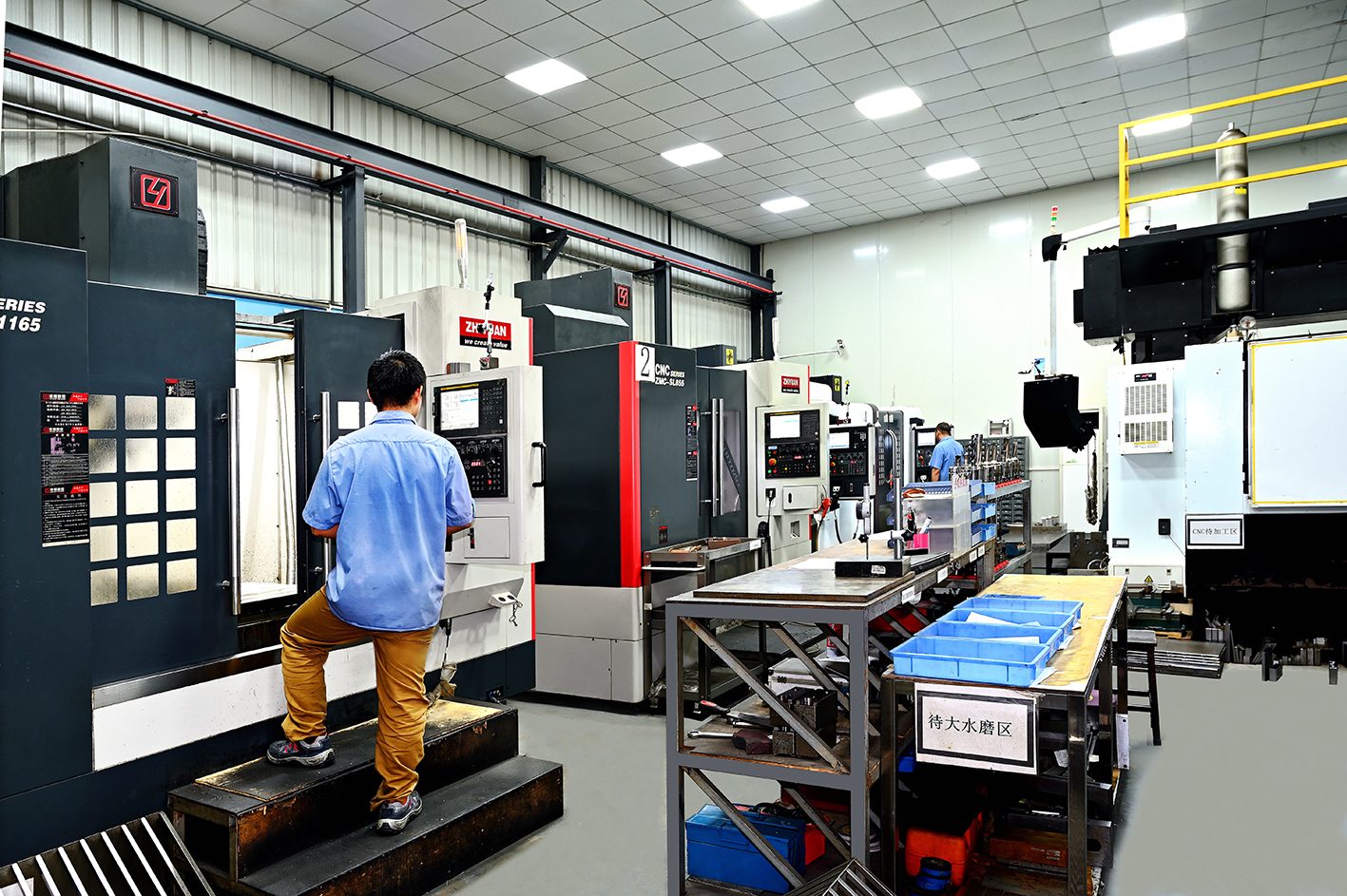
Every progressive die behind our stamped parts is 100% in-house stamping tooling — design, machining, assembly and T1 trial all under our roof. That is why tooling issues get solved on the shop floor in hours, not by email exchange with an outside die shop.
±0.001 mm Achieved
Combined machining accuracy down to ±0.001 mm, Ra0.05 µm surfaces and Ø0.05 mm micro end mills for tight die features.
30 In-House Machines
30 die-making machines — wire EDM, CNC and precision grinding — keep every die build and repair on our own schedule.
2–5 Weeks for Stamp Dies
Typical stamping die delivery in 2–5 weeks, with T1 trials run on our own presses before you commit to volume.
One Accountable Chain
Self-designed progressive dies, machined in-house, run at 60–300 SPM with CCD inline inspection — no outsourced-die handoff where quality falls between suppliers.
Engineering Support
Design-for-Manufacturability Support
Thin-gauge drawings fail in predictable places: holes smaller than the material thickness, bends too close to the edge, burr specs written without a clearance plan. Our engineers run a DFM pass on your STEP or DXF before tooling starts and mark up exactly where the geometry will fight the die — and what it costs to relax it. Prototype frames ship typically 2-4 weeks after DFM approval.
FAQ
Questions Buyers Ask
How thin can you stamp?
Production strip stamping starts at 0.05 mm (0.002 in). A 0.003 in (0.076 mm) part — a common lead-frame and contact gauge — is inside normal capability when the die is built for thin-web control.
What tolerance do thin-gauge stampings hold?
±0.005 mm positional on piloted features; free-form dimensions typically ±0.025 mm (±0.001 in). Flatness on thin frames is controlled by die relief and coil condition, not press tonnage.
Which thin-gauge alloys do you run?
Phosphor bronze C5191/C5210, beryllium copper C17200, brass, nickel silver, SUS301 stainless and C1100 copper — the conductivity and spring-force family that lead frames and micro contacts need.
Do you deliver lead frames on reels?
Yes. Reel-to-reel is the default for automated downstream assembly; loose-piece delivery is available for inspection or manual operations.
What documentation comes with a thin-gauge program?
First-article inspection against the drawing, SPC records on critical features, material certification per lot, and full PPAP on automotive and medical programs under IATF 16949:2016.
Explore More
Recommended Products
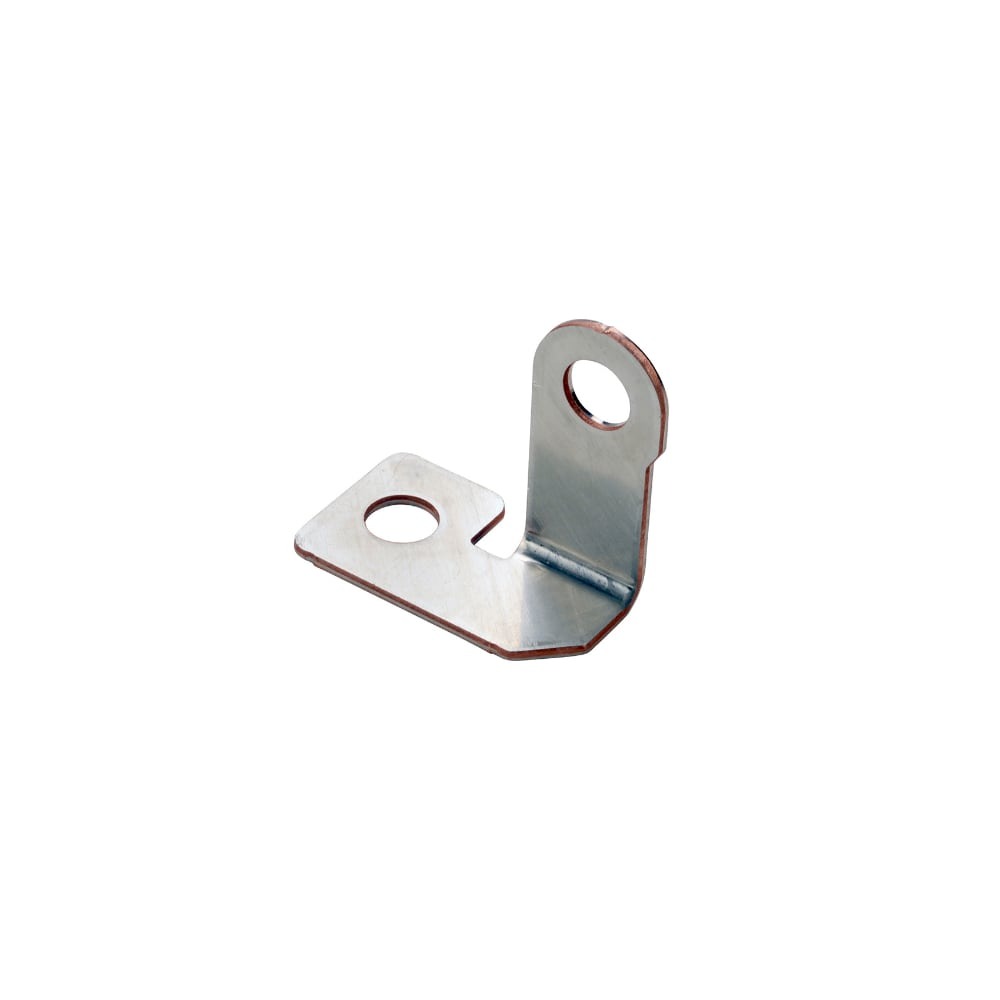
Heavy-Gauge & Galvanized Steel Stampings
Yes — ISTAMPING stamps formed, heavy-gauge steel parts from 1.5 mm up to 3.0 mm on dedicated 45 to 110 ton presses, and we support both routes your drawing might call for:…
View Details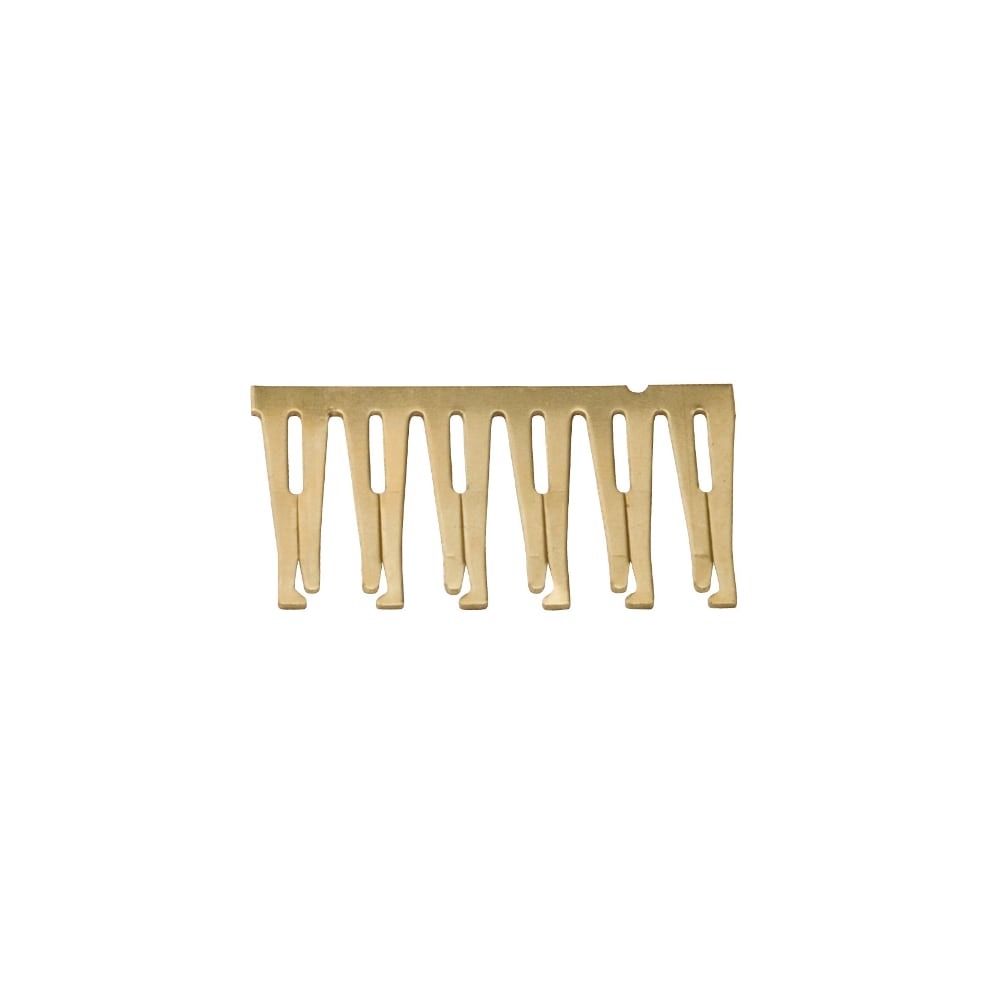
Stamped Battery Contact Blades
Yes — battery contact blades are a standard part we stamp: formed from beryllium copper C17200 or phosphor bronze on multi-up progressive dies, plated to your drawing's plating…
View DetailsTerminals
Terminals are necessary to connect various circuits or systems. Sometimes called electrical connectors, these components are used to transfer electrical current from a power or…
View Details